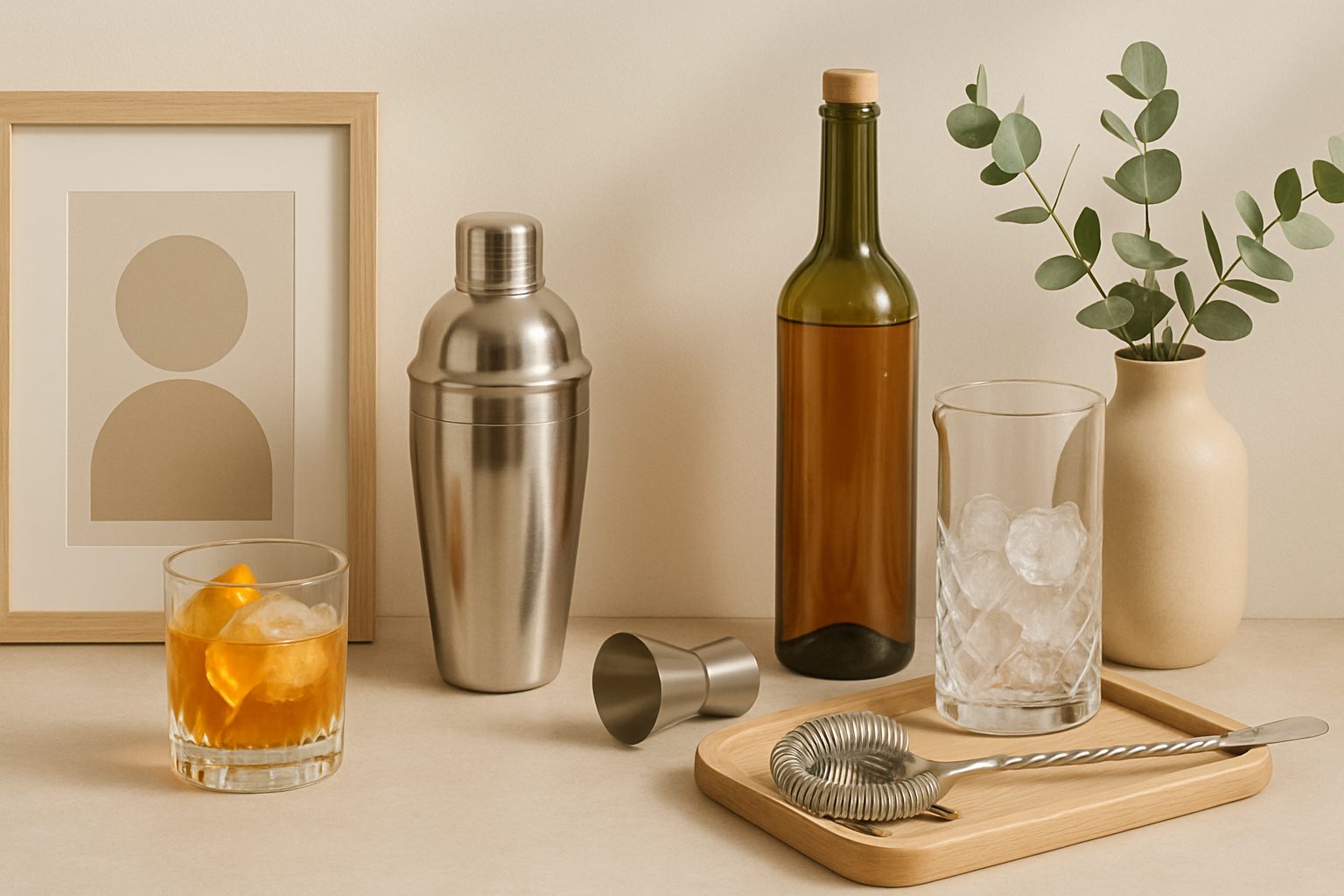
Home Bar Furniture Ideas for Living Rooms UK: Style Meets Function
A home bar doesn't require a dedicated room or even much space—it's about choosing furniture that serves drinks beautifully while fitting seamlessly into your living area. The best home bar pieces work harder than they look, storing glassware and spirits while contributing to your room's visual appeal. Whether you favour mid-century simplicity or something more traditional, finding the right furniture is the foundation of a properly functioning home bar.
Why Living Room Bars Work
The living room is where entertaining happens. A well-chosen bar piece keeps your spirits and glassware accessible without requiring guests to venture into the kitchen. It also avoids the sterile feel of a fully dedicated bar room—your setup becomes part of the casual, lived-in atmosphere that makes entertaining relaxed. Good bar furniture bridges the gap between functional storage and an intentional design statement.
Sideboards and Console Tables
Sideboards are perhaps the most flexible option for living room bars. These waist-height pieces offer generous surface area for mixing drinks and sitting bottles, with enclosed storage below. A solid wood sideboard in oak or walnut suits traditional interiors, while lacquered or painted versions work in contemporary spaces. Look for one with at least 1.2 metres of length—anything smaller feels cramped when you're arranging bottles and glassware.
The real advantage is dual functionality. When you're not entertaining, a sideboard looks exactly like living room furniture. It stores table linens, board games, or holiday decorations as happily as it holds spirit bottles. The generous top surface means you're not restricted to standing bottles upright; you can lay out cocktail ingredients and tools while guests mingle nearby. Choose one with drawers alongside shelving—drawers hide bar tools, napkins, and spare glassware out of sight.
Consider depth carefully. Some sideboards are quite shallow (30 centimetres), which limits how you can arrange bottles. A depth of 40 centimetres gives you proper flexibility without consuming excessive floor space.
Bar Cabinets and Corner Solutions
Bar cabinets are dedicated pieces designed specifically for drinks storage, typically standing four to six feet tall. They range from compact corner cabinets to substantial showcase pieces with glass doors. The enclosed storage is genuinely useful—it keeps spirits away from direct sunlight, protects glassware from dust, and maintains consistent temperature better than open shelving.
Glass-fronted cabinets look more sophisticated and make your collection visible, which works well if you've invested in interesting bottles or vintage glassware. Solid doors offer a cleaner aesthetic and hide the contents when the bar is closed, which some prefer for a more subtle integration into the room.
A corner cabinet is genuinely space-efficient. It uses an awkward corner that might otherwise house a houseplant, and it keeps the central floor area open. Look for pieces that are proportional to your room—a massive cabinet in a modest living room feels imposing.
Budget and materials vary widely. Solid wood cabinets in yew or mahogany are beautiful and long-lasting but expensive. Plywood versions with veneer are significantly cheaper, offer good durability, and frankly, you won't notice the difference once the cabinet is filled with bottles and glassware.
Dedicated Bar Units and Trolleys
Bar carts and mobile serving trolleys offer flexibility—you can wheel them out when entertaining and tuck them away otherwise. Two or three-tier designs work best; single-tier carts often feel too narrow for glassware and bottles. Look for sturdy construction; a wobbly cart is genuinely unsafe when laden with glasses.
For those with space and budget, dedicated bar cabinets with built-in wine racks, glass holders, and pull-out work surfaces are genuinely excellent. These typically occupy a corner of the room permanently and create a proper bar zone. They range from compact bar units around 80 centimetres wide to full bar backs that resemble furniture-store pieces. They're an investment, but they're purpose-built—every millimetre is designed for drinks storage and preparation.
Making Your Furniture Choice Work
Colour and finish matter. Dark wood suits traditional spaces and hides spills, but it can feel heavy in small rooms. Lighter finishes feel airier, though they do require more careful cleaning. Consider your existing furniture—your bar piece should complement what's already there, not clash with it. This doesn't mean matching exactly; it means respecting the broader aesthetic.
Placement is equally important. Positioning your bar furniture near a side wall keeps it from dominating the room's centre. Ensure you've got adequate lighting—a pendant or reading lamp nearby makes drink preparation more pleasant and the display more inviting.
Storage and Practical Details
Whatever piece you choose, think about storage. You'll need space for bottles (obviously), but also for glassware, bar tools, mixers, and garnishes. Drawers are invaluable for keeping bar spoons, jiggers, and strainers organised. Shelving works for glassware if it's not too deep—you want to reach items easily.
Your choice ultimately depends on your space, existing décor, and how seriously you take home entertaining. A simple sideboard suits those wanting understated elegance; a dedicated cabinet works for enthusiasts; a mobile cart offers maximum flexibility. The key is choosing something that feels purposeful and fits naturally into your room.
More options
- Cocktail Shaker & Bar Tool Sets (Amazon UK)
- Home Bar Cabinets & Bar Carts (Amazon UK)
- Under-Counter Bar Fridges & Wine Coolers (Amazon UK)
- Whisky Decanters & Cocktail Glassware Gift Sets (Amazon UK)
- LED Bottle Display Shelves & Bar Lighting (Amazon UK)